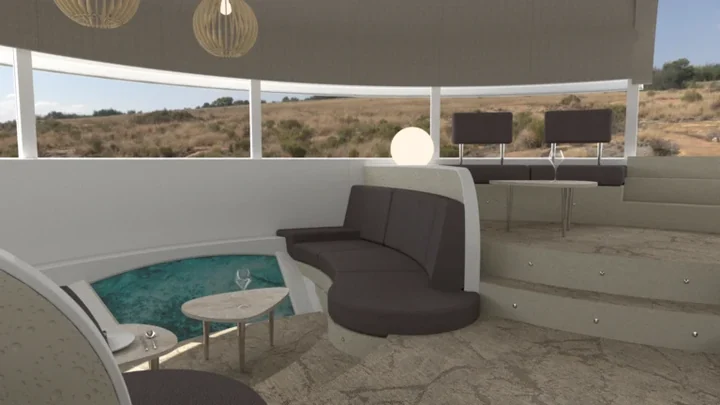
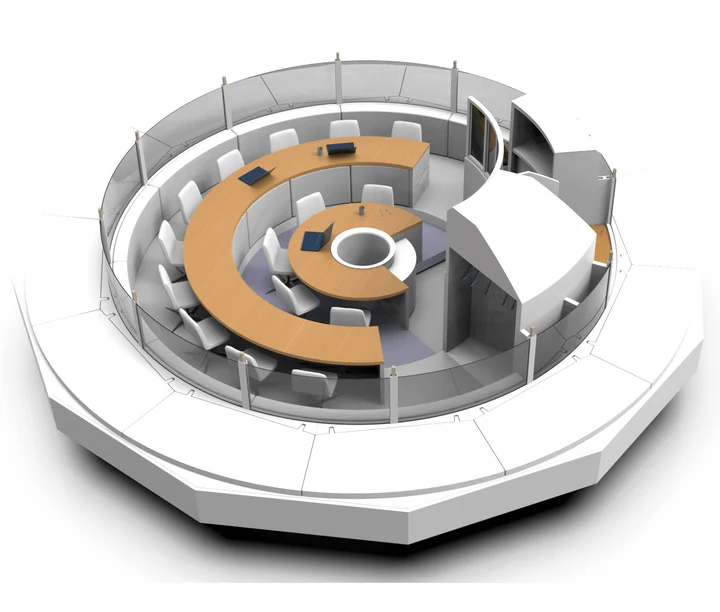
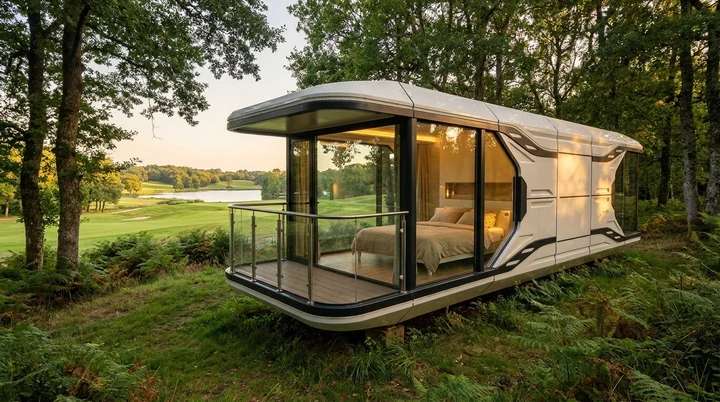
White panoramic lodge with large glazed facade and balcony in woodland; historical LSP concept image.
Non-binding conceptual illustration · LSP archive
01 / Founding signature
LSP — Lodge-Suite Panoramique (logo officiel)

LSP — Our first signature

The panorama as a starting point.

LSP expresses the ambition for a suite conceived in close relation to its surroundings. Openness to the landscape, tranquillity and careful attention to use form an initial vision of YRALYS hospitality.

Conceived as an independent suite opening onto the landscape, the Lodge-Suite Panoramique makes the panoramic window part of the experience: light, depth of view, privacy and continuity between indoors and outdoors. Its setting remains inseparable from the identity of the place that hosts it.

The YRALYS universe / A diversity of concepts

Lodges & concepts.

The same care for each place. Many ways to imagine hospitality.

No two locations call for exactly the same form of accommodation. A property’s history, its layout, the views it offers and the ways people are welcomed invite different architectural approaches.

YRALYS

YRALYS is exploring a range of lodge types and hospitality spaces that may inspire future projects. This approach brings together the guest experience, the quality of interior volumes and an understanding of the constraints specific to each site.

This exploration includes high-end lodges, panoramic suites and modular forms, each considered in relation to the characteristics of its location.

LSP — Lodge-Suite Panoramique — is its first signature concept. The other families presented here are avenues for research and development, not models currently offered for sale by YRALYS.

02 / Lodges & concepts

Other ways to inhabit the landscape.

Different forms, with uses and site conditions to explore.

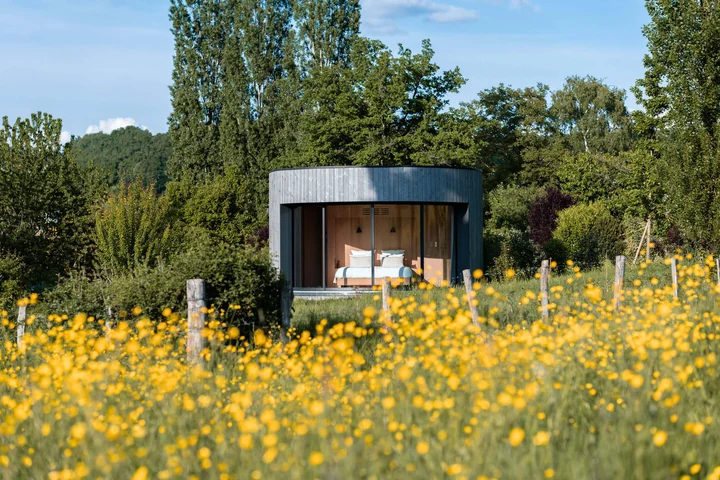
Exterior of the circular Lumipod 5 suite, with curved cladding and a glazed opening towards a flower meadow.
Photograph · Source: Lumipod
02 / Reference studied · independent manufacturer

Circular suites

Another perspective on the landscape.

Rounded volumes invite a different relationship between the stay and the outdoors. Window orientation, natural light and interior planning become design considerations to examine together, depending on the destination and its setting.

Reference studied: Lumipod 5, 6 and 8.
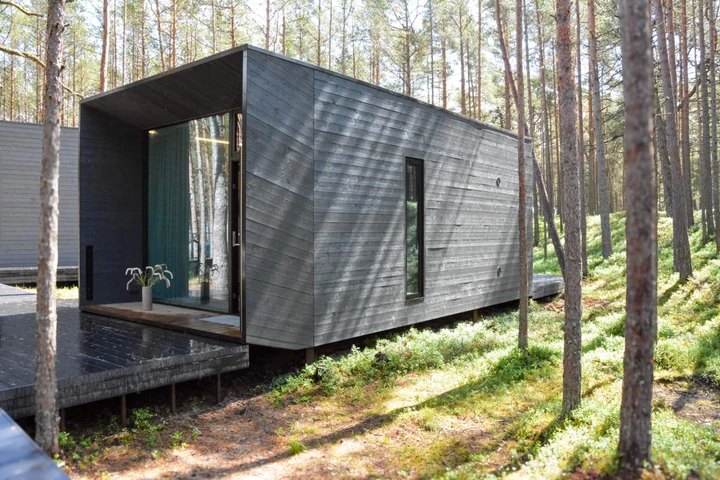
Rectangular KODA module with dark cladding, glazed entrance and terrace in woodland.
Photograph · Source: Kodasema
03 / Reference studied · independent manufacturer

Contemporary modules

Clean lines and compositions to explore.

Modular architecture makes it possible to consider different volumes and interior layouts. For each project, the question is less about choosing a standard model than about suitability to guests, the terrain and the technical conditions of implementation.

References studied: YØTE, KODA, Apple Cabin.
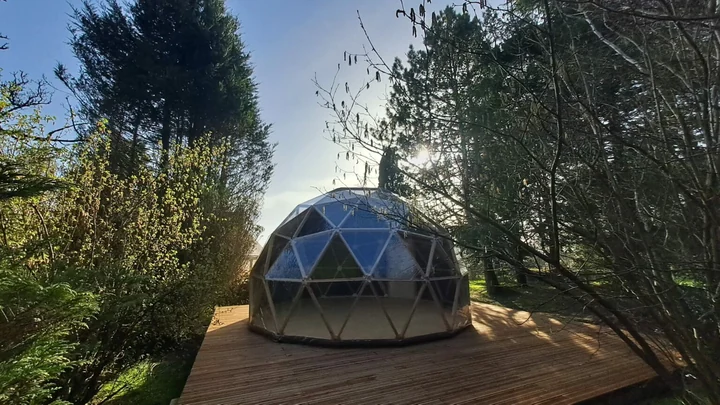
Tipi-Tente geodesic accommodation dome, with transparent facade and timber terrace among trees.
Photograph · Source: Atelier Jean Lehmann / Tipi-Tente
04 / Reference studied · independent manufacturer

Panoramic domes

Exploring a different form of immersion.

Dome architecture creates a distinctive experience of light and space. Its relevance to an overnight stay depends on thermal and acoustic comfort, privacy, amenities and operating conditions, all of which need checking for each model.

References studied: geodesic and panoramic domes.
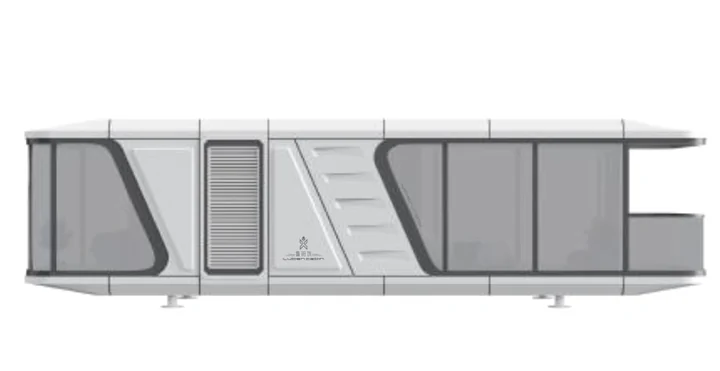
Side rendering of the Luban K70 capsule, showing its envelope and large glazed openings.
Non-binding manufacturer rendering · Source: LUBAN CABIN
05 / Reference studied · independent manufacturer

Panoramic capsules

A compact format, an experience to imagine.

Some capsules favour broad glazing and a concentrated arrangement of rooms. They offer points of comparison for hospitality projects where architectural footprint, comfort and visual connection to the site matter.

References studied: capsule forms, Volferda / Luban.
03 / Floating architecture — references studied

Hospitality on the water.

Water as the setting for experience.

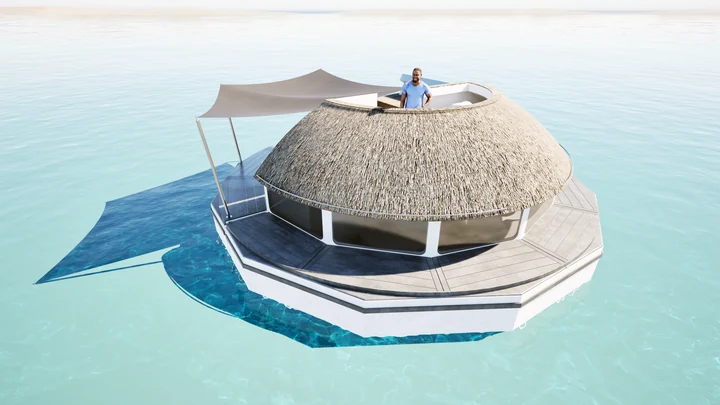
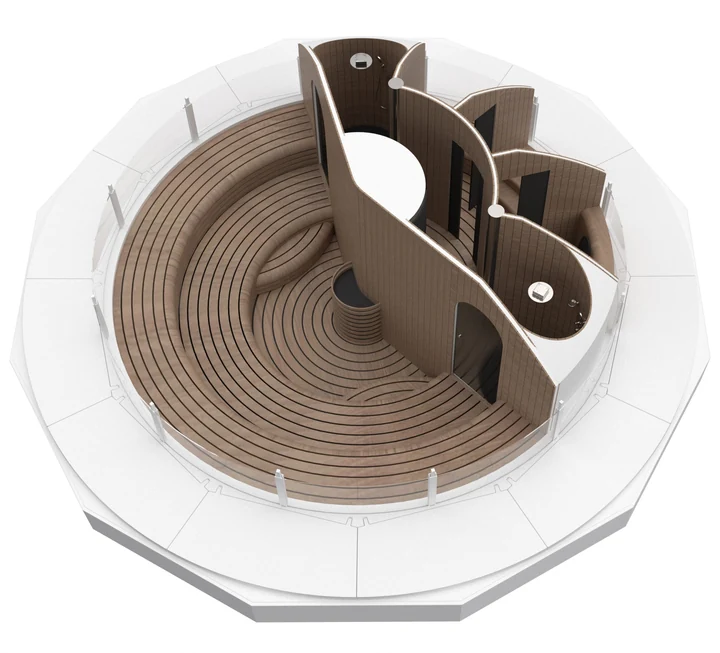
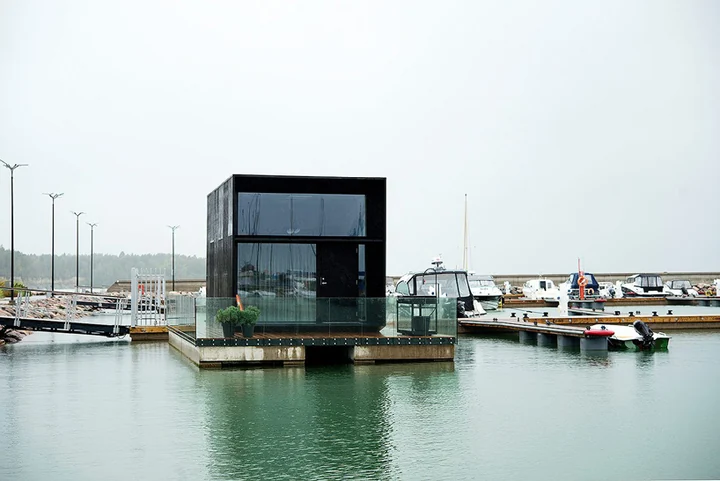
Floating architecture opens up distinct possibilities: private stays, spaces for wellbeing, places to meet or professional activities. Such structures invite thought about their relationship with the water, as well as navigation rules, access, safety and operating conditions.

These solutions are being explored prospectively; they do not currently form a YRALYS product portfolio.

Discover the seven floating references ↗
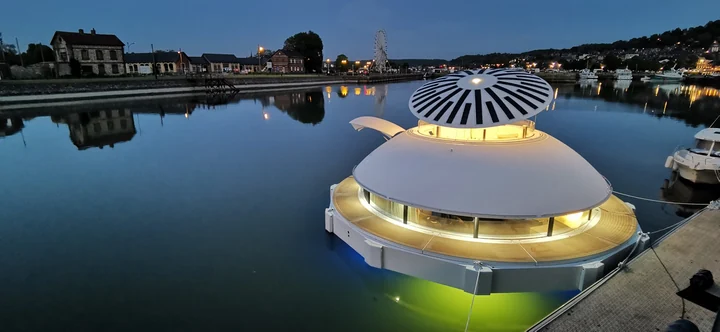
Anthénea Suite photographed at night on the water, with enclosed hull and circular rooftop solarium.
Photograph · © ANTHENEA
04 / Floating architecture — references studied

Seven expressions of floating architecture.

The selection below presents models developed by independent manufacturers. It illustrates the different functions that architecture on the water might serve. Each entry is informational and implies neither a partnership, a supplier selection nor a product currently available from YRALYS.

05 / Other possibilities

Exploration without assuming feasibility.

Foldable modules, combined solutions and complementary formats remain secondary areas of research. Their hospitality quality and relevance to a particular site still require evaluation.

YRALYS / Approche

Every project begins with its setting.

From a site’s potential to the conditions for delivery.

The process begins with the characteristics of the land or water and the people the project seeks to welcome. It then considers architectural forms, uses, amenities and technical constraints. A solution becomes relevant only once its feasibility, operating model and partnership conditions have been examined.

The hospitality envisioned for LSP.

The hospitality envisioned for LSP puts the freedom of each stay first: discreet attention, seamlessly accessible services and an organisation that preserves the tranquillity of the setting.

LSP’s planned digital experience is intended to support each stay before arrival and during the visit, providing useful information and choices without placing technology between the guest and the place.

A dialogue with the hospitality sector.

Estate owners, hotel operators, local authorities and development partners have different needs and contexts. YRALYS aims to explore these perspectives carefully, distinguishing ideas, studies to be undertaken and projects genuinely under way.

Discover the YRALYS approach ↗